
‘Rockets And Blue Lights’ By Winsome Pinnock, At The National Theatre Thurs August 26 2021 ~ Sat October 9 2021.
The Play Was Produced As A Co. Production With The Royal Exchange Theatre In Manchester. However As It Was Scheduled For March 13 – April 4 2020 And Sadly Stalled In Its Prime Due To First National Lockdown Which Started March 23 2020.
When Theatres Re-Opened It Was Time For Its Appearance At The National Theatre In London’s Southbank.
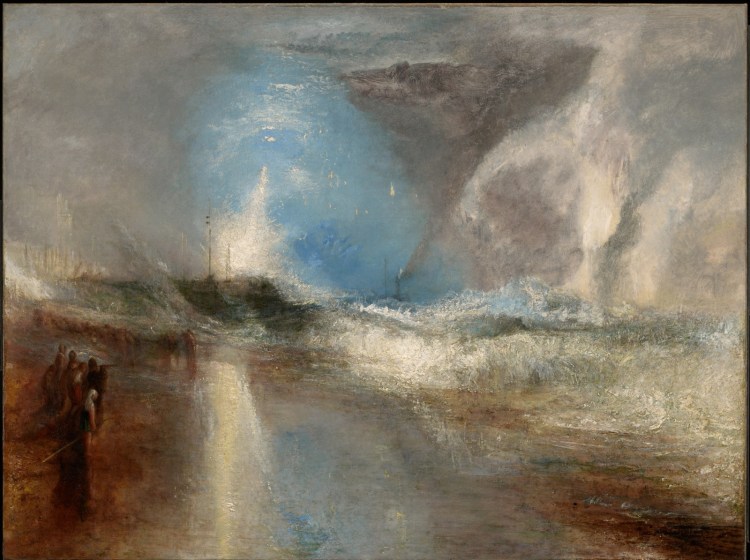
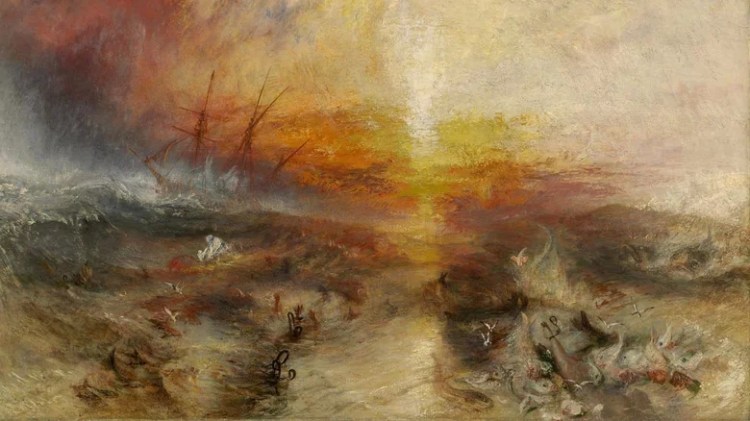
In 1840 Turner Painted The Twin Paintings ‘Rockets & Blue Lights’ And ‘Slaves Thrown Overboard. They Do Chime Together In A Dark And Light Way. The Former Reflects The Practice of The British Navy of Warning Ships That They Are Approaching And Any Ships Found Still Engaging In The Slave Trade Now That It Was Illegal (1807) Would Be Legally Punished. The Latter Reflects What Sometimes Happened When Ships Received Those Warnings (Slaves Thrown Overboard In Order To Avoid Punishment or Financial Loss). This Dynamic Is A The Heart of Pinnock’s Play, Directed By Award-Winning Director @Miranda Cromwell
A Very Haunting But Important Play Capturing Racist Wrongs From The Past Up To The Present Day As They Have Occurred In Black British History. It’s So Good It Should Be Part of The School Curriculm And Indeed Continued History Education Programmes.
The Play Makes Clear That Only True, Open & Honest Dialogue Will Bring Real World, Long Term, Sustainable Healing By Changing The Narrative.
The Question Is Whilst The Wrongs of Slavery Still Haunts Us Today, Will The Ancestors Haunt The Perpetrators For Their Continued Wrongs From Yesterday? And Are Those In Power Prepared To Make The Necessary Changes In Order To Achieve Genuine Better Narratives As The Black Community And Its Allies Continue To Fight For Them?
In ‘Rockets And Blue Lights’ At The National Theatre Playwrit Winsome Pinnock Raises The Concept of Hauntology As A Reality In Relation To Racist Brutality
Rockets & Blue Lights Is A Necessary, Inherently Complex, Deep, Dark, Disturbing And Moving Piece of Theatre By Playwright Winsome Pinnock, Directed By Award-Winning Director @Miranda Cromwell. It Suggests That There Is A Hauntological Element To Racism. A Haunting of The Perpetrator. And Society. And The Victim. And A Natural Quest For Redress By Their Ancestors. And These Patterns of The Past Can Haunt The Future. Understanding This Pattern Is The Key To Breaking The Cycle of Hate And Destruction In Order To Achieve Greater Peace And Harmony With Sustainability. But First Must Come The Shocking, Painful And Heartbreaking Honesty About The History of Racial Brutality.
This Unique, Insightful And Innovative Play Was Due To Be Staged At The Royal Exchange Theatre, In Manchester, From March To April 2020. But That Plan Was Curtailed Because of Lockdown. It Was Eventually Re-Staged At The National Theatre Thurs August 26 2021 ~ Sat October 9 2021. TheOrator.Press (TO.P) Caught It On Wednesday September 29 2021. The Play Is Staged As A Group of Thespians From The World of Actors, Directors, Producers, Theatre Financiers And Set Managers, Crossing Paths And Historical Time Zones As They Endeavour To Produce A Film About The Life of J.M.W Turner And His Involvment In The Slave Trade And The Sugar Industry. Joseph Mallory William Turner (1775 – 1851) Is The Revered British Artist In Whose Name The Annual Artistic Turner Prize Is Awarded To Up And Coming Artists Showing Promise.
A Particularly Wonderful Feature of The National Theatre Is Its Streaming Service Called The National Theatre At Home Which Allows Theatre Lovers To Watch Productions on Cinema Screens Around The Nation And In The Privacy of Their Own Home. Both. Or Which Ever They Prefer. We Utterly Recommend Seeing This Play On That Service If It Is Too Late For You To Get Tickets.
But Rockets And Blue Lights Is A Complicated Play Set In Different Times Zones, Centuries In Fact, With Some Cast Members Playing More Than One Part. And Also Involving Two Different Famous Turner Works of Art. So A Little Historical Background Seems Appropriate.
Turner Was Controversial For A Number of Reasons Including His Development of A New Abstract Style of Painting Based On The Emphasis of Light And Shade Rather Than Hard Definitive Lines of Previous Artistic Masters. And For Two of His Seascape Paintings, Both Painted In The Same Year (1840) Which Have Inspired Much General Discussion, Reflection And Official Debate Regarding The Atrocities of The Transatlantic Slave Trade. Both Were Exhibited At The Time At The Royal Academy of Art’s Annual Exhibition (Which Still Takes Place Today).
One Is Called: Rockets and Blue Lights (Close At Hand) To Warn Steamboats of Shoal Water. Now Exhibited At Tate Britain. And The Other Is Called The Slave Ship (Slavers Throwing Overboard The Dead and Dying, Typhoon Coming On). Now Exhibited At The Boston Museum of Fine Art.840.
The Former Painting, After Which Pinnock’s lay Is Monikered, Officially Relates To The Maritime Practice Whereby When A Storm Was Brewing, Flares (aka Rockets of Blue Light) Would Be Sent Up Into The Sky By Maritime Observers To Alert Ships In Danger of Being Thrown Into Shallow Waters or Accidentally Heading Perilously Close To Them. Citizens Seemingly Much Safer On The Shoreline Would Often Watch The Seabound Spectacle.
The Later Painting Is Related To The History of An Infamous Insurance Case Involving A Slave Ship Massacre On Board A Slave Ship Called The Zong (1781) Which Threw In The Region of 150 Enslaved Africans Overboard As The Ship Ran Short of Drinking Water Resources.
At That Time Such Murder Was Legal Because Racist Slaveowners And Law Makers Declared That Africans Were Chattels, i.e. Possessions And Not Humans. This Inhumane Approach Was Brought To The Attention of The General Public At Large As A Result of The Legal Case And The Question Arose As To Whether The Slavers Were Entitled To Insurance For The Lose of The Slaves (Their Moneymakers Through Free Labour). This Organically Led To The Further Legal Question of Whether The Slaves Were Chattel That Could Rightly Be Insured Against In Terms of Loss of Chattels And Possessions or Whether or Not Any Such Legal Right of Insurance Could Exist At All Because The Enslaved Africans Were Not Infact Chattel But Human Beings, Thus Making Such Insurance Null & Void.
See Our Business Page For Further Discussion of The Issue In This October 2021 Black History Month Special Edition of TheOrator.Press (TO.P)
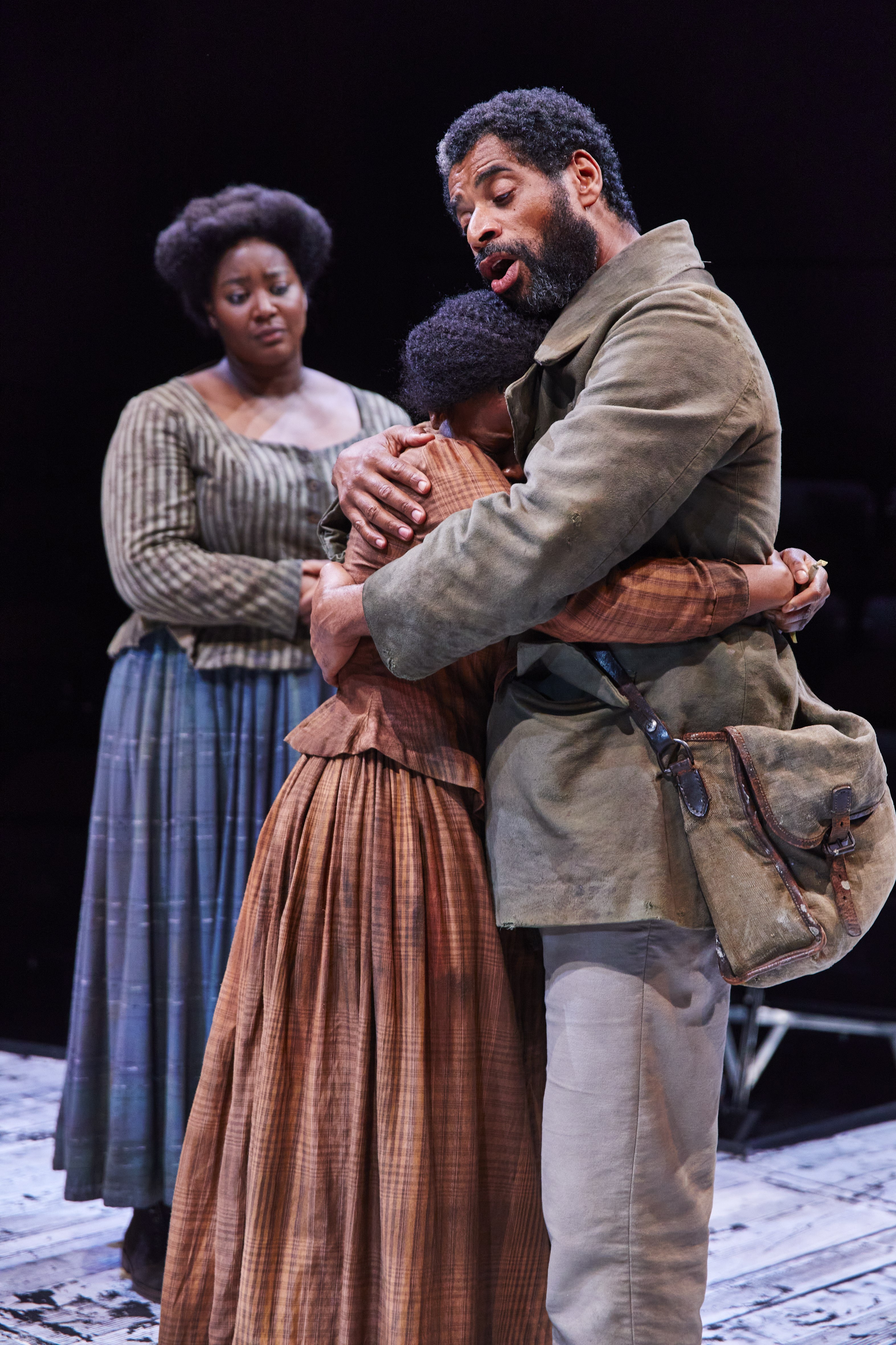
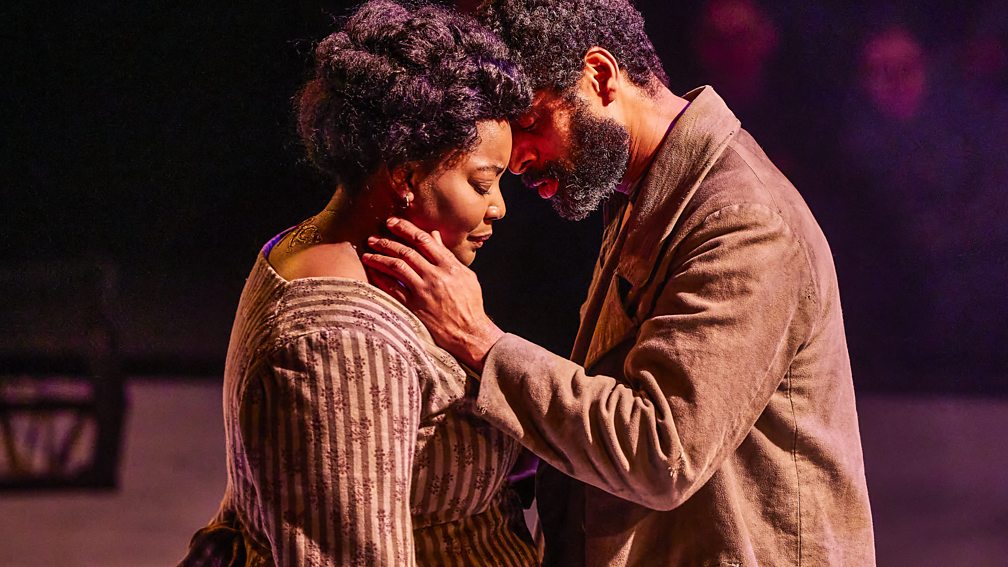


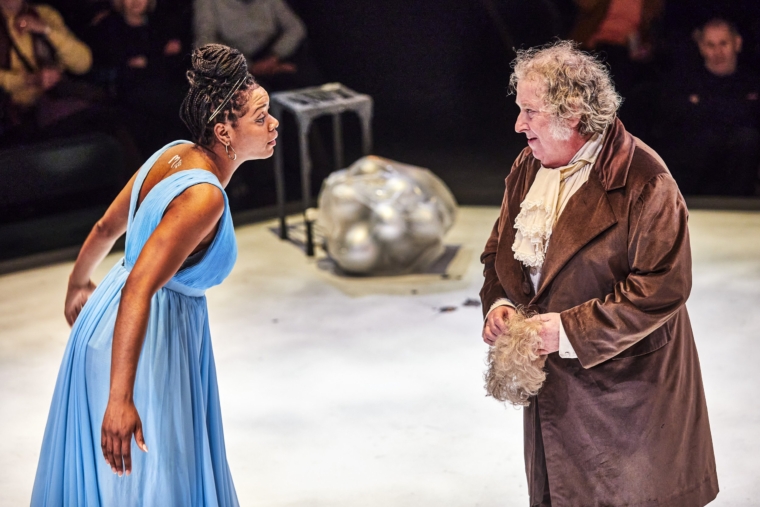
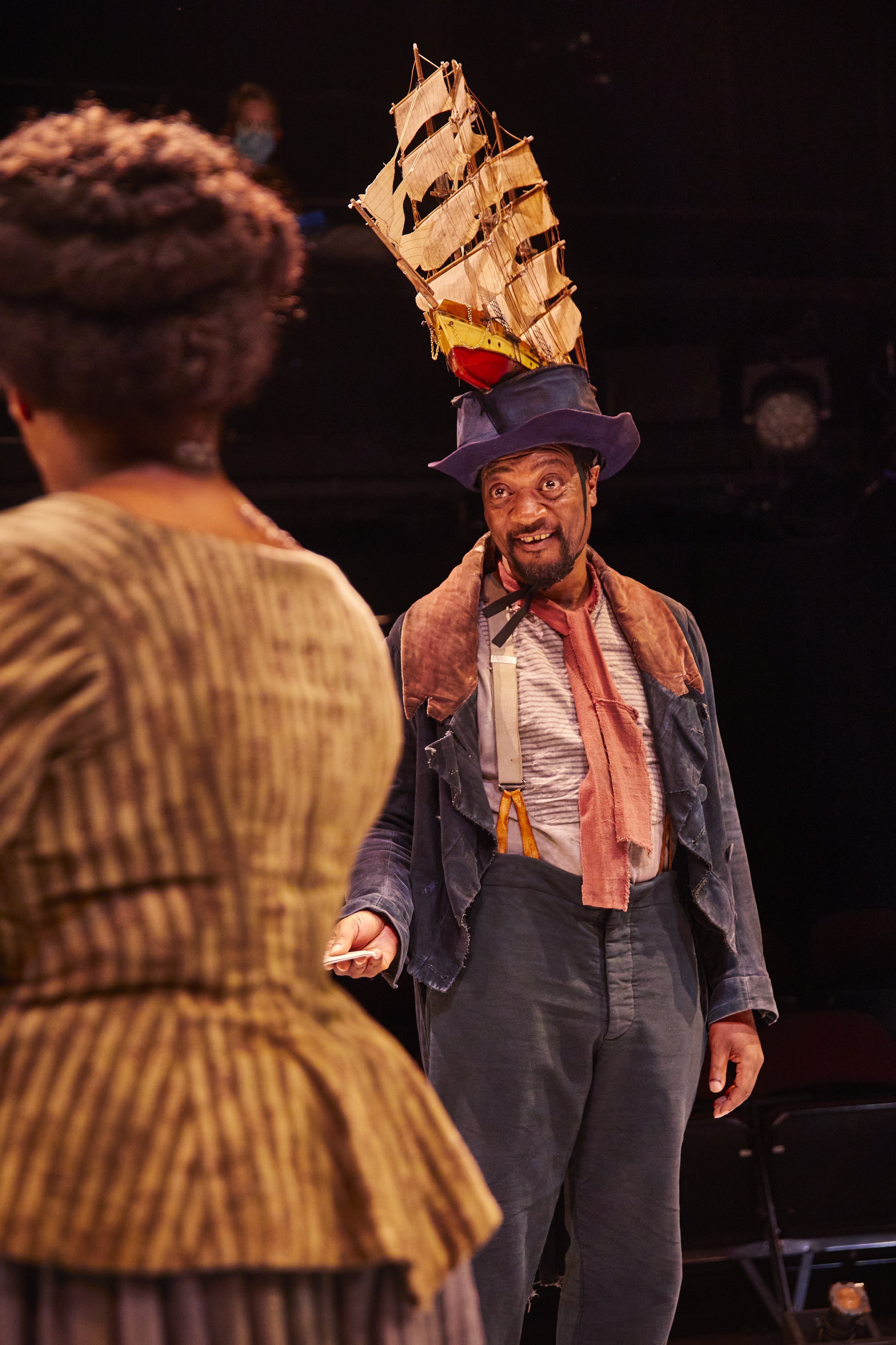
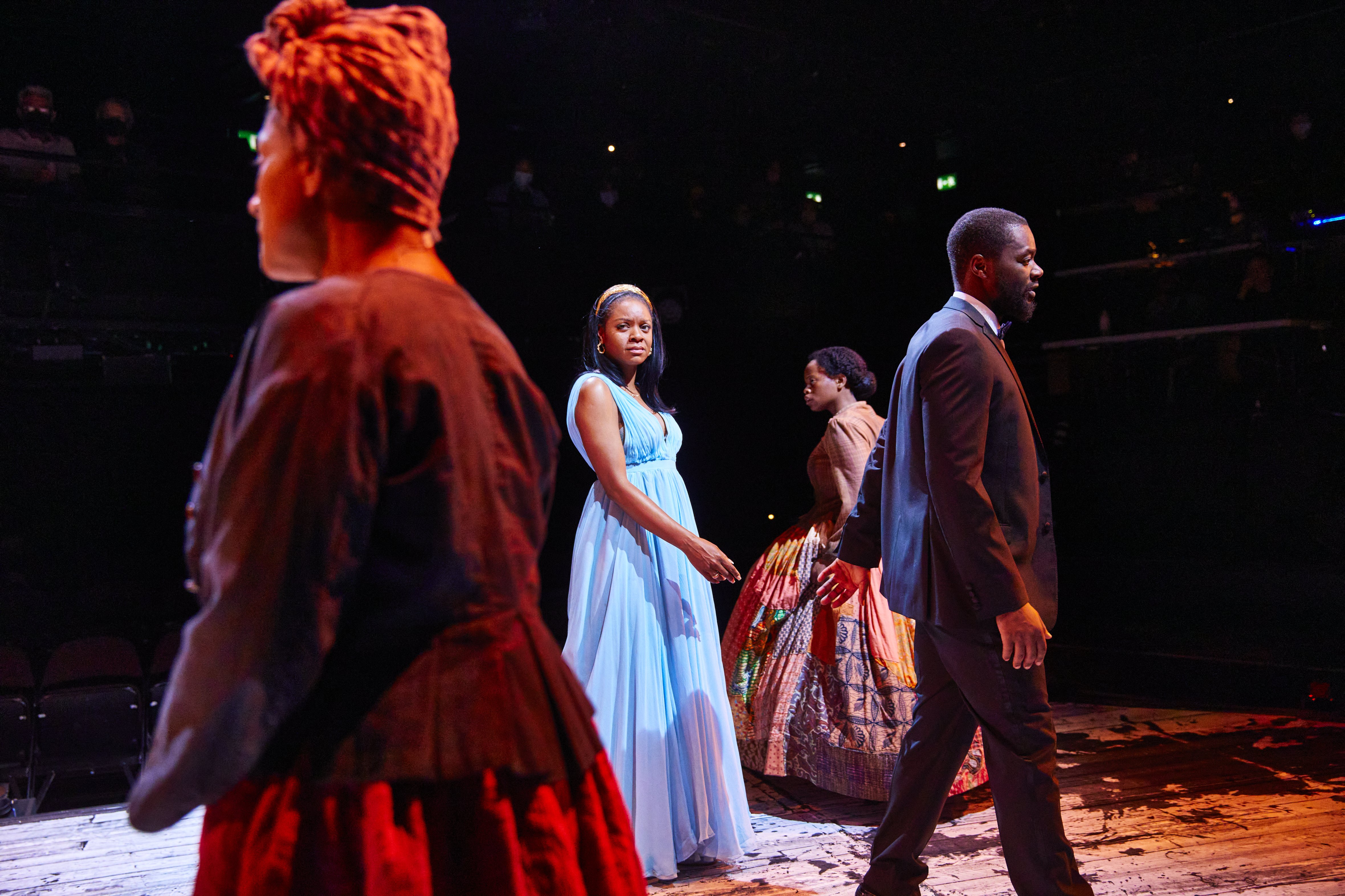


Photos: Brinkhoff/Mogenburg
But This Is Not Just About The Victorian Englishman & Artist Turner & His Involvement In The Slave Industry On One Hand And His Famously Intriguing Twin Paintings of 1840 On The Other. This Is Also About A Freed Enslaved Man Called Thomas And His Family. A Loving & Loved Family Man Who Was Devastatingly Niave In His Decision To Board What He Believed Was A Merchant Ship, Offering His Labour In Return For A Living Wage To Feed His Family. His Story Brings To Mind Thoughts of The Windrush Stories Then Unknown But That Were Yet To Come, As This Is A Tragic Case of Misplaced Trust And Exploitation of Labour Under False Pretences, In A Much Earlier Era.
The Story Cleverly Involves Not Only His Own Child But A School Child Who Makes Us Consider The Issue of Suicide And The Notion That Protection And Possible Retribution Maybe Delivered By Our Ancestors. Winsome In This Sense Injects Humanity Into This Slavery Story In A Way That Is Unique And Refreshing From The Afro-Caribbean Perspective.
The 2007 Film Set Especially Designed For Cinematic Re-Telling of Turner’s Time Involved In The Slavery Business Features A Reconstructed Slave Ship Within A Museum (InThe Bicentinary Year of Slavery Abolition). For One of The Actresses In The Film (Within The Play) The Production Proves Very Triggering As Recalling This Horrible History Invades, Haunts And Traumatises Her. But She Eventually Fights Back In Rehearsels And Turns The Tables, Highlighting The Fact That Slavery Was Not Built On Factual Supremacy But An Actual International Abuse System
There Are Many Expressions Within The English Language That Are Born of Savage Slavery Practices. Letting People ‘Off The Hook Being One of Them’. Pinnock’s Play Does Not Shy Away From These Horrors. But It Also Reaches Back Into The Past And Connects Them To The Present Day. In Doing So It Highlights How To Avoid Going Down A One Way Path That Just Leads To An Indulgence In The Re-Enactment of ‘Slavery Torture Porn’ For No Reason Other Than The Thoughtless Demands of Theatre Financiers For Their Own Self-Satisfying Reasons, When In Fact It Is Not Necessary In Order To Effectively Tell The Story of Slavery, In A Way That Engenders Genuine Empathy. And Better Ways of Behaving Going Forward.
Abuse By Plantation Owners, Overseerers, Racist Murders, Police Brutality And Impropriety Are All Related To Slavery, Systemic Racism And A Biased Economic, Political And Legal System Designed To Keep Everybody In Their Pre-Determined Place And Maintain The Status Quo In Order To Protect The Most Priviledged Few. The Play Intelligently Gets This Point Across.
These Systemic Elements Include But Are Not Limited To The Police Failure To Properly Investigate The Racist New Cross Fire Murders In The 1980s, In Respect of The Quest For Justice For The Victims of The Fire And Their Families. The Racist Gang Murder of Stephen Lawrence In The 1990s, In Respect of The Quest For Justice For Him And His Family, Who Are All Victims of A Racist Murder (Although It Was Stephen’s Life That Was Taken That Night). Those That Perished In The Grenfell Fire, In Respect of The Quest For Justice For These Tragic Souls And Their Families. Who Are All Victims of Corporate Greed And Negligence. They Still Seek Justice. Numerous Deaths In Police Custody Up To Recent Years And Many Others Are Recalled Aloud At The End of The Play As Evidence That Certain Historical Haunting Horrors Still Remain.
Others Too, Such As Kelso Cochrane, An Antiguan Man Who Was Murdered In Notting Hill By A Gang of White Racists In 1959, After The Race Riots of 1958. His Murder Led To The Development of The Notting Hill Carnival And The Decline of Oswald Mosely’s Racist Right Wing Movement The British Union of Facists Known As ‘The Black Shirts’. It Also Led To The First (Ineffective) Government Investigation Into Race Relations. It Is A Story of Survival of The Black Race’s Survival of All These Things And More, Including The Zong Massacre Itself, The Slave Castles of Bunce Island And Baptist Church Massacres In America. The Play Proudly Documents That We Are Race of Survivors. And Protective And Powerful Ancestors!
Cathy Tyson Stars As A Ghost Bringing Her Ever Present Acting Excellence (She Is Most Famous For Starring In The 1987 Film ‘Mona Lisa‘ With The Late Great Bob Hoskins And In The Groudbreakin’ 1980s TV Sex Worker Drama ‘Band of Gold‘). Karl Collins Stars As Thomas The Family Man At The Heart of The Play Who Simply Steals Your Heart Away (Famous For Acting As DC Danny Glaze In The Police Drama Series The Bill). And Paul Bradley Gently And Powerfully Plays Turner Who Is Both Likeable And Loathsome (Most Famous For Playing Grant Mitchell’s Best Friend Nigel In Eastenders & Then Consultant Elliot Hope In Holby). The Whole Cast Ensemble Deliver Excellent Acting Which Is Deeply Engaging And Effective.
Civil Rights Leader Martin Luther King Was Assinated Because As Well As Trying To End Racial Abuse Based On Colour He Tried To Bring The Abused Black Community And The Oppressed White Community Together In Unity, Which He Appeared To Be Doing Quite Effectively In A Number of Ways. That Proved Too Big A Threat To The Establishment So He Was Taken Out. Divide And Rule Is What The Establishment Preferred And This Conflict Is Addressed In The Play By Pinnock, Who Has Clearly Done Great Historical Research.
But The Black Begger Sailor With A Ship Hat On His Head Arguing The Odds With The White Sailor In Black Face Seemed An Incongruous Distraction, As Did The Idea That Poor Black People At That Time In History Were Enjoying Engaging In The Nicieties of Lush Fabrics Brought Back To London By Freed Slaves For Their Women To Make Fine Dresses And Go To Exclusive Joyous Black Parties. This Element Could Have Been Less Confusing It Had Been Better Explained Within The Detail And Clarity of The Narrative. Epecially With Evidential Data or Documents On How Widespread Such Happy Occasions Were. As It Was It Was A Little Jarring Because It Seemed To Belittle The Predominate Suffering of Black People At This Time.
Perhaps Going Forward Amd Building On This Element That Existed During The Time of Enslaved & Freedmen, A Whole Standalone Play Focused On This Element of Black Joy And How It Was Possible At That Time, Would Aid Such Clarification. And Also Explain Why So Little Is Told of It In The Telling of History Thus Far And How It Became Known At All. And Indeed How Afro-Caribbeans And Their Friends And Allies Might Revive Such Balls And Celebrate Them As A Moment of Light In The Historical Darkness.
The Programme & Script Are Still Available To Buy. Both Are Brilliant & Worth The Investment. There’s An Immediate Greater Clarity In Having A Programme Before Seein’ It. And There’s An Extra Intensity, Longevity, And Comprehension To Be Found In Readin’ The Actual Script After Seein’ The Play. And Together They Both Make Great Educational Tools For Long After The Curtains Have Closed.
The National Theatre At Home @Miranda Cromwell Winsome Pinnock



ThePlayPodcast~Episode 14 October 2020 (UK Black History Month 2020) ~ Rockets & Blue Lights Interview With Winsome Pinnock
The Devasting And Unprecedented Nature of Lockdown On Theatres & Thespians Saw A Creative Response Which Was To Shift Musical And Theatrical Performances Online And Have Plentiful Podcasts And Performing Arts Zoom Meetings. Rockets And Blue Lights Was The Subject of A Number of Great Ones, Including The Play Podcast (Blue Link: Directly Above This Paragraph For An October 2020 Black History Month Special). BBC Radio 3’s Drama On 3 Lockdown Theatre Fesitval June 2020 (Wyllie Longmore, Actor & Teacher, Outlined Below, Attests To Listening To). And The Royal Exhange Theatre RXConnect – We Need To Talk – Panel Event June 2020 Powerful Extracts From Which Are Outlined Below And Provide An Insight Into The Modern Thinking That Went Into Making Yet Another Powerful Winsome Pinnock Play.
Roy Alexander Weise (Multi-Award Winning Director & Royal Exchange Theatre) ~ We Need To Tell Stories of Our Joy. And We Need To Become The Decision-Makers So That We Don’t Keep Having To Asking For What We Want To Do With A Begging Bowl. “We Have The Imagination To Imagine Avatars As Blue But Not Black People As Kings And Queens.” I Find That Disturbing That We’ve Got There. I Need Suffering And Misery My Life Isn’t Like That. But White Audiences Need That. A Permiited Catharsis of White Guilt. I Decided That I Could Never Make Another Play That Contributed To That.
Tony Gordon (Leader The Nana Bonsu Oral History Project & Former Royal Exchange Theatre Trustee) ~ We Have To Be Particular About Protecting Our Contributions, Our History, Our Value. We Need To Avoid Santised Productions of Our Plays. All Which Needs To Be Funded And Budgeted For Properly.
Winsome Pinnock (Alfred Fagon Award Winner 2018 For Rockets & Blue Lights) ~ Risk Is Not My Issue Nor My Problem. I’ve Written The Best Play I Can. Look At How You Are Going To Help Me Develop It And The Production Value You Can Put On It, All Plays Are A Risk. McBeth Was A Risk.
Winsome Pinnock Explains The Importance of Telling Afro-Caribbean Stories Being Told From The Afro-Caribbean Perspective
Yusra Warsama (Multi-Award-Winning Actress & Thespian) ~ Makes The Really Interesting Point That Some People Just Want To Make Art. And That They Are Artists Not Politicians, But They Find Themselves Picking Up Those Skills. She “Says We Have To Get Past So Much Rubbish Before We Get To The Actual Art And Then Are Still Expected To Look Good And Carry On Dealing With Life’s Day To Day Struggles. We Are The Kings & Queens of Tenacity, We Can Find Creative Solutions.”
“About The Lens Was A Project That I Did. I Did A Piece And It Was About FGM And There Was A Constant Gambit Offered In The Room of ‘We Should Start The Show With Someone Having Done of Them’.” She Asks Why? Who For? Whose Voyeuristic Pleasure? For Who? What For? And Why?
She Says Whilst “Theatre’s A Space of Elegant Conversation Let’s Talk About This” It Was Clearly Not Necessary To Show FGM Being Done To Understand That It Was Wrong. And The Fact That She Had To Explain That Just Shows The Level of The Black Body And The Black Voice And People of African Heritage And Diaspra, How We’re Not Afforded The Same Things The Same Virtues, The Same Higher Virtues of Human Endeavour, So It’s Ok To Have That. And It’s That Black Feminist Conversation You Don’t Have To See A Rape To Have Empathy or Understanding of What Rape Is, So Why Do We Have To Constantly See Ourselves In This Way or Be Placed In This Way?
That Sumizes For Me The Conflicts And The Conversations Before We Even Get To Stage And We Get To Play. That’s The Thing. We Want To Play. We’re Human Beings. It’s About Having That Space And Freedom. But The Amount of Nonsense You Have To Knock Out The Way Before You Get There. And I’ve Still Got To Be Sane. I’ve Still Got To Remember To Make Sure My Mascarra’s OK. Do You Know What I Mean. At That Point I Just Want To Worry About My Kids And Worry About The Art Itself. So For Me It’s Important. I Just Want To Get To The Point of Art Itself.
It’s Birthright. I Think Artistry And Communication And This Thing That We Do’ We’re Privileged To Know It And It’s About Sharing It And How Do We Have That For People? It’s About Lens.
Connecting To Winsome’s Piece “It’s Bear Witness. What Are We Bearing Witness To. Who’s Allowing Us To Bear Witness. And Who Are We Allowing To Witness.”
Wyllie Longmore (Actor & Teacher): I Like The Idea of Bearing Witness. I Think It’s So Important That We Bear Witness. And That We Can Always Stand Up And Bear Witness When The Time Comes And Even When The Time Isn’t Right But You Still Want To Bear Witness.
Stella Kanu (Veteran Thespian) ~ Interesting That So Many of You Have Raised The Issue of The Lens And Who’s Lens Are We Looking Through? When Infact Lenses Are Not of The Theatre. It Is A Matter of What Stories Get Told And By Whom.
 TheOrator.Press ~ A New, Monthly, Online, Independent Magazine